Author: debbie

  • Time to Think About Fall Gardens

    “Come on in… the coffee’s hot, the garden’s growing, and there’s always room for one more at the table.”

    Every month brings new blessings, new harvests, and new treasures to discover. Whether you’re pulling weeds before breakfast, filling jars in the kitchen, or wandering the aisles of your favorite antique store, I hope this month’s newsletter inspires you to slow down and enjoy the simple things.

    I’m so glad you’re here. ❤️ Debbie

    Revamping newsletter format

    We are switching gears a bit and will have 4 consistent sections of each newsletter. We will post a monthly newsletter, with emails of timely information each week. Here are the sections we will delve into:

    🌿 In the Garden

    What to plant now, what to harvest, and seasonal tips.


    🫙 In the Pantry

    Recipes, preserving guides, herb blends, canning charts, and kitchen inspiration.


    🏺 Collector’s Corner

    A featured antique, vintage kitchen tool, or collecting tip.


    🌿 Debbie’s Garden Gate Wisdom

    “Pull up a chair for just a minute before you head home.”

    A monthly tip from me. Could be concerning gardening, preserving food for the family, antiques and collectibles. You just never know what is on my heart and in my mind for the month.


    🌿 In the Garden – Don’t Let the Summer Heat Fool You…

    When July temperatures soar into the triple digits, it’s easy to think the gardening season is over. In reality, mid-July is the perfect time to begin planning and planting your fall garden here in North Central Texas.

    While many spring gardens are winding down, experienced Texas gardeners know this is the time to prepare for one of the most productive growing seasons of the year. Below is a small gift from me this month. A printable recipe card. Just click , save and print for your favorite recipes.

    Printable recipe card

    Vegetables to Plant Now

    Many cool-season vegetables actually need to be started during the heat of summer so they’ll be ready when cooler temperatures arrive.

    Direct Sow

    • Bush Beans
    • Pole Beans
    • Southern Peas
    • Cucumbers (early July)
    • Summer Squash (early July)
    • Zucchini
    • Pumpkins (for Halloween harvest)

    Start for Transplanting

    • Broccoli
    • Cauliflower
    • Cabbage
    • Brussels Sprouts
    • Kale
    • Swiss Chard
    • Collards

    Toward the end of July and into August, begin planting:

    • Carrots
    • Beets
    • Turnips
    • Radishes
    • Lettuce
    • Spinach

    🫙 In the Pantry – Time to Start Thinking About Preserving

    One of the best parts of a fall garden is the abundance of fresh vegetables perfect for preserving. Depending on what you’re planting now, you’ll soon be enjoying:

    • Salsa
    • Pickled Okra
    • Dilly Beans
    • Pickles
    • Tomato Sauce
    • Tomato Juice
    • Pepper Jelly
    • Vegetable Soup Mix
    • Frozen Bell Peppers
    • Fresh Herb Salt

    🏺 Collectors Corner

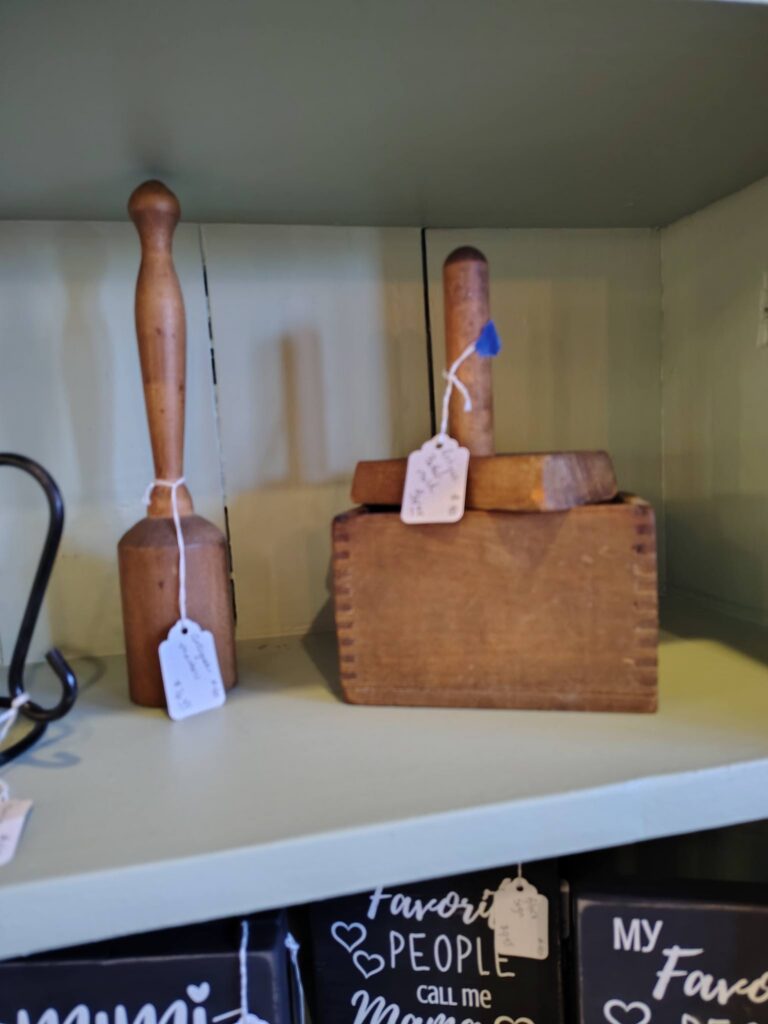
    “Before electric mixers and grocery stores, butter molds were part of everyday life. Each family had its own design. Today they remind us that beauty was once found in ordinary household tools.” This primitive rectangle mold was a typical butter mold that would create a pound block of butter once all the liquid was pressed out. You will occasionally find the round butter molds with a carved-out decoration that remains on the butter after pressing. These are a fantastic item to begin your collection of antiques. Most are not expensive, and still fairly easy to find. LET’S GO SHOPPING!

    🌿 Debbie’s Garden Gate Wisdom

    July gardening requires a slightly different approach.

    ✔ Water deeply in the early morning.

    ✔ Apply 2–4 inches of mulch to help retain moisture.

    ✔ Harvest every day or two to encourage continued production.

    ✔ Provide afternoon shade for young transplants.

    ✔ Don’t fertilize stressed plants during extreme heat.

    Right now, some of the local farmers have an overabundance of produce such as tomatoes. Check with them to see if they sell cases of 2nds or some call them canning tomatoes. This is a great way to get enough for spaghetti sauce, tomato juice, etc. There’s nothing quite like opening a jar in the middle of winter that was harvested from your own backyard. Take a little time to tidy up your pantry and remember once you have multiple jars of canned goodness, the pantry is NOT the only place to store them. Put them in a container made for under the bed storage, if you have extra bookshelf space, USE IT for home canned goods. The possibilities are endless.

    Preserve Today • Enjoy Tomorrow – ❤️ Debbie
  • July Gardening in North Central Texas

    July in the Garden

    July in North Central Texas is a month of heat, harvest, and keeping up with the garden before the sun gets too high. By now, tomatoes, peppers, okra, cucumbers, melons, and herbs are all demanding attention. Some spring crops are slowing down, while the toughest summer plants are just getting started. This is the time to harvest often, water deeply, and stay ahead of weeds and insects as best you can.

    In July, the best garden plan is simple: work early, mulch well, harvest often, and preserve what you can before the next wave ripens.

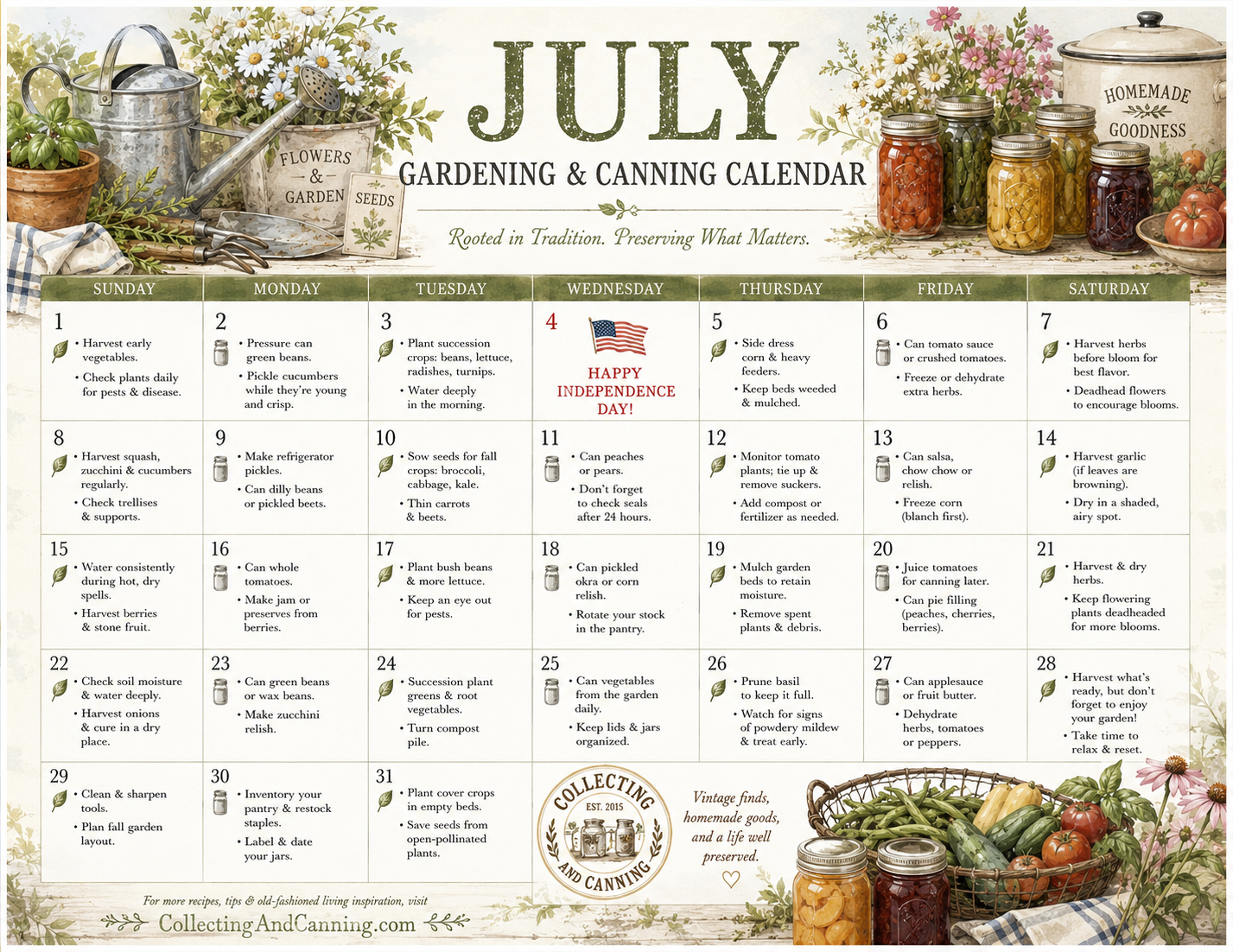
    July gardening calendar for North Central Texas

    Click the calendar image to open the full-size version for clearer printing.

    What to Harvest Now

    • Tomatoes – Pick daily if possible and use the ripest ones first for fresh eating, salsa, or sauce.
    • Peppers – Bell peppers and hot peppers are usually producing well and can be frozen, pickled, or canned in tested recipes.
    • Okra – Harvest while pods are still tender because they grow fast in July heat.
    • Cucumbers – Pick regularly to keep vines producing and use extras for refrigerator or water bath pickles.
    • Melons – Watch closely for ripeness and bring them in before wildlife finds them first.
    • Herbs – Cut basil, oregano, thyme, and mint often so they stay productive through the hottest weeks.
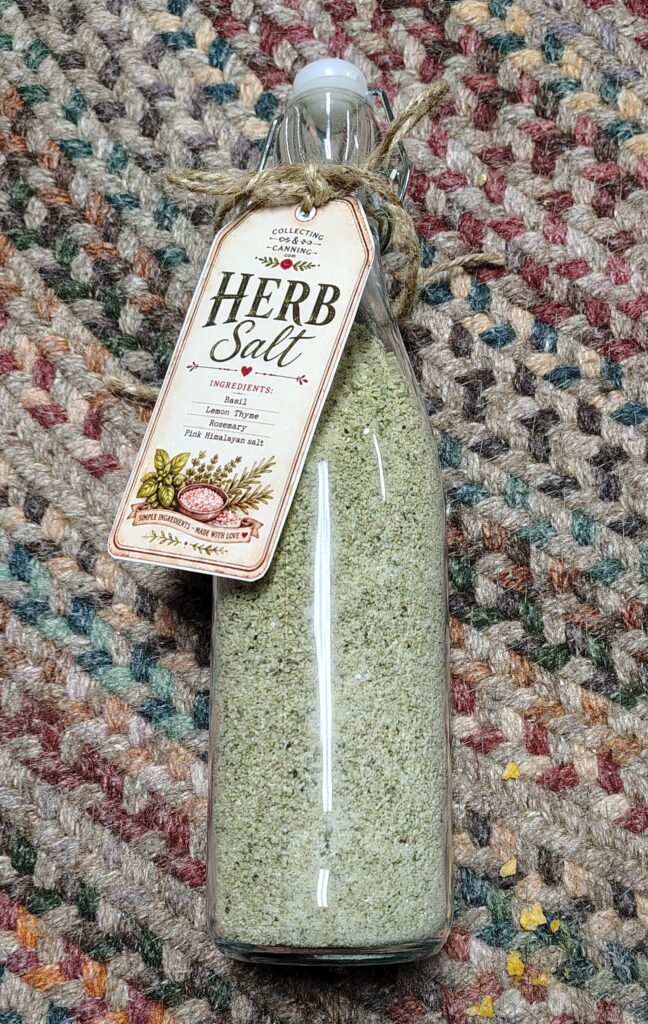
    Jar of homemade basil salt
    Homemade basil salt, one of the practical food preservation ideas shared on Collectingandcanning.com.

    July Garden Jobs

    July is more about maintenance than planting. Deep watering matters more than quick daily sprinkling, especially for tomatoes, peppers, and melons. Mulch helps hold moisture in the soil and keeps roots cooler. Keep an eye out for hornworms, squash bugs, spider mites, and any signs of stress from extreme heat. Pull spent plants that are no longer producing and make room for what is still thriving.

    1. Water early in the morning and soak deeply.
    2. Harvest every day or two to prevent overripe produce.
    3. Refresh mulch where soil is exposed.
    4. Check plants for insects and disease before the heat of the day.
    5. Take notes on what varieties are handling summer best.

    Best Ways to Preserve July Produce

    July is one of the busiest preserving months of the year. Tomatoes can become salsa, sauce, or juice. Cucumbers turn into pickles. Peppers freeze beautifully and can also be pickled. Okra can be frozen or pickled, and herbs are easy to dry for later use. If the garden gives you more than you can handle in one day, start by washing, sorting, and deciding what needs immediate attention. A little daily preserving is often easier than waiting for one giant batch.

    Not everything has to be canned. Freezing, drying, and refrigerating are all part of a practical summer kitchen.

    Looking Ahead to Fall

    Even in the middle of summer, July is a good time to start thinking ahead. Make notes about where you may want to plant fall beans, greens, or late squash. Clean out weak areas of the garden, improve the soil where needed, and keep a running list of seeds or supplies you may want before fall planting begins. The work you do now makes the next season easier.

    Keep Reading

    If you are working in the garden this month, take it one row and one basket at a time. July is busy, but it is also one of the most rewarding months of the year for gardeners and home preservers.

  • The Garden is Waking up: Are you ready for Harvest season?

    There is something exciting about this time of year. After weeks of planting, watering, weeding, and watching, our home gardens are finally beginning to reward us with the first signs of harvest. Tiny green tomatoes are turning red, cucumbers seem to appear overnight, and before long we’ll be wondering what to do with all those green beans, squash, and peppers.

    For many of us, gardening is about more than simply growing food. It’s about preserving traditions, becoming a little more self-sufficient, and enjoying the satisfaction of putting wholesome food on our family’s table. There is nothing quite like opening a jar of home-canned vegetables in the middle of winter and remembering the summer day when they were picked fresh from the garden. Or if you are like us, we love chili and a canned jar of garden-fresh tomatoes take it to that next level. Beginners – if your recipe calls for tomato sauce or juice, just put that jar of tomatoes in a blender and make some deliciousness. My grandkids don’t like the chunks that diced tomatoes add in chili and soups, so we adjust for that.

    If you’re new to canning and food preservation, don’t worry. The key is preparation. Having the right supplies on hand before your harvest begins can save a lot of stress when the garden suddenly starts producing more than you can eat fresh.

    Harvest Preservation Checklist

    Before your garden reaches full production, make sure you have:

    Canning Equipment

    Water bath canner

    Pressure canner (required for low-acid foods like green beans, corn, and meats)

    ☐ Jar lifter

    ☐ Canning funnel

    ☐ Bubble remover or non-metal spatula

    ☐ Magnetic lid wand (optional but helpful)

    ☐ Clean kitchen towels

    Mason Jars & Supplies

    ☐ Pint and quart mason jars ( I use these for gifting they are so cute. )

    New canning lids

    Canning bands/rings

    ☐ Extra jars for unexpected harvests

    Kitchen Essentials

    ☐ Sharp knives

    Cutting boards

    ☐ Large stock pots

    ☐ Colanders

    Measuring cups and spoons

    ☐ Labels or a marker for dating jars

    Pantry Ingredients

    ☐ Vinegar (5% acidity for pickling) – it will say 5% on the label

    ☐ Canning salt

    ☐ Sugar

    ☐ Pectin for jams and jellies

    ☐ Lemon juice (bottled for tested recipes)

    Garden Readiness

    ☐ Harvest baskets or buckets

    ☐ A plan for preserving surplus produce

    ☐ Reliable, tested canning recipes (check our recipe pages for those)

    Remember, safe food preservation always starts with using tested recipes from trusted sources. We always will refer to this website for safe canning procedures and recipes. https://nchfp.uga.edu/

    Preserving More Than Food

    One of the things I love most about canning is that it connects us to generations before us. Long before grocery stores were open around the clock, families relied on gardens, pantries, and preservation skills to feed themselves throughout the year.

    At Collecting & Canning, that connection to the past is at the heart of everything we do. Whether we’re preserving fresh vegetables from the garden or rescuing a primitive antique with a story to tell, we’re helping keep traditions alive for future generations.

    Exciting News from Whiskey Flats Mercantile

    The store is an extension of my love for preserving the past and celebrating simple living. You’ll find antique, primitive, and vintage treasures, with new items being added regularly. As the store grows, you’ll also begin seeing products that support gardening, canning, food preservation, and country living.

    My goal is to create a place where fellow collectors, gardeners, and homesteading enthusiasts can find items that bring both beauty and purpose into their homes.

    Be sure to check back often because new treasures are being added frequently, and you never know what unique piece of history might appear next.

    Looking Ahead

    The busiest days of harvest season are just around the corner. Now is the perfect time to gather your supplies, organize your pantry, and prepare for the abundance your garden will soon provide.

    Whether you’re filling shelves with home-canned vegetables, searching for the perfect antique treasure, or simply enjoying the slower rhythms of country living, I hope you’ll join me on this journey of preserving the past while preparing for the future.

    Happy gardening, happy canning, and happy collecting!

    Debbie

  • Collecting & Canning in Early June in North Central Texas

    Garden Season in Full Swing

    Early June in North Central Texas always feels like the garden is trying to hand you everything at once. Tomatoes begin to color up, squash seems to double overnight, peppers start coming in, and green beans can surprise you if you miss even a day or two. It is one of my favorite times of year because the work is steady, the kitchen stays busy, and every basket of produce feels like a little reward for the spring effort.

    Harvest in the morning before the heat builds, keep produce shaded as you bring it inside, and decide quickly what needs to be eaten fresh, what should be refrigerated, and what is worth preserving right away. A good June rhythm is simple: pick, sort, wash, preserve, and then rest a little before doing it all again the next day. You may not have quite enough for preserving your harvest, so when this happens, I just make that one of our veggies in our supper.

    What May Be Ripe Now

    • Tomatoes – Best for salsa, sauce, or freezing if you want to build up enough for a larger batch.
    • Peppers – Excellent for freezing, pickling, or adding into canned salsa recipes.
    • Squash and zucchini – Best preserved by freezing or dehydrating rather than canning.
    • Green beans – A great choice for pressure canning if you have enough for a batch.
    • Cucumbers – Best for refrigerator pickles or water bath pickles using a tested recipe.
    • Onions – Cure and store in a dry place, or freeze chopped extras.
    • Potatoes – Cure briefly, then store cool and dark, or pressure can if you want shelf-stable jars.
    • Blackberries – Wonderful for jam, jelly, syrup, or freezing.
    • Herbs – Best dried or frozen while they are still fresh and fragrant.

    Best Preservation Methods

    One of the best lessons a summer garden teaches is that every food has a preservation method that suits it best. Tomatoes are flexible and can become salsa, sauce, or be frozen for later cooking. Winter Chili with fresh garden tomatoes is so good. Just chop the tomatoes before putting them in the chili. Green beans and potatoes are dependable choices for pressure canning. Blackberries shine in water bath jams and jellies. For the beginner, Jam is much easier and I will post a recipe under water bath canning page this week. Herbs are often easiest to dry, while squash is usually better frozen than canned. Matching the food to the right method saves time and gives you better quality on the pantry shelf.

    In June, I try to preserve what is abundant now and leave room in the freezer and pantry for what is still coming later in the summer.

    June Garden Jobs

    By the first of June, North Central Texas gardeners are usually shifting from planting mode into maintenance mode. Mulch matters more than ever once the heat settles in. Deep watering helps more than frequent shallow watering, and regular picking keeps beans, squash, cucumbers, and okra producing longer. It is also a good time to pull tired spring plants, watch closely for insects, and make notes about what varieties are earning their space.

    If you still have room, this can be a useful month for succession planting a few heat-loving crops, such as okra, but I always think of June as a month for observation as much as action. The garden tells you what is thriving, what needs help, and what you should plan differently next year.

    Flea Markets and Festivals to Watch for in June

    June is also a fun month to mix garden errands with a little treasure hunting. In North Central Texas and East Texas, warm-weather weekends often bring antique markets, community festivals, and small-town events where you can find everything from enamelware and crocks to old kitchen tools and vintage jars.

    • First Monday Trade Days in Canton – Always worth checking if you enjoy antiques, primitives, kitchenware, and vintage storage pieces.
    • Small-town summer festivals across East Texas – These often include local vendors, handmade goods, food booths, and the kind of practical treasures that fit right into a country kitchen.
    • Regional flea markets in the Dallas-Fort Worth area – A good place to look for baskets, old scales, canning jars, enamel pans, and garden décor.
    • Farmers markets with artisan vendors – Not a flea market exactly, but often a wonderful place to find local produce, preserves, and handmade items while gathering ideas for your own kitchen and garden. I specifically love a few special farmers markets. Winnsboro Farmers Market, Granbury Farm & Artisian Market and Benbrook Artisian and Farmers market. There are so many, but I love these.

    When I go, I am always keeping an eye out for useful pieces with history: old colanders, sturdy wooden boxes, blue stoneware bowls, crocks, and anything that reminds me that practical things can still be beautiful. That blend of usefulness and memory is part of what ties collecting and canning together for me.

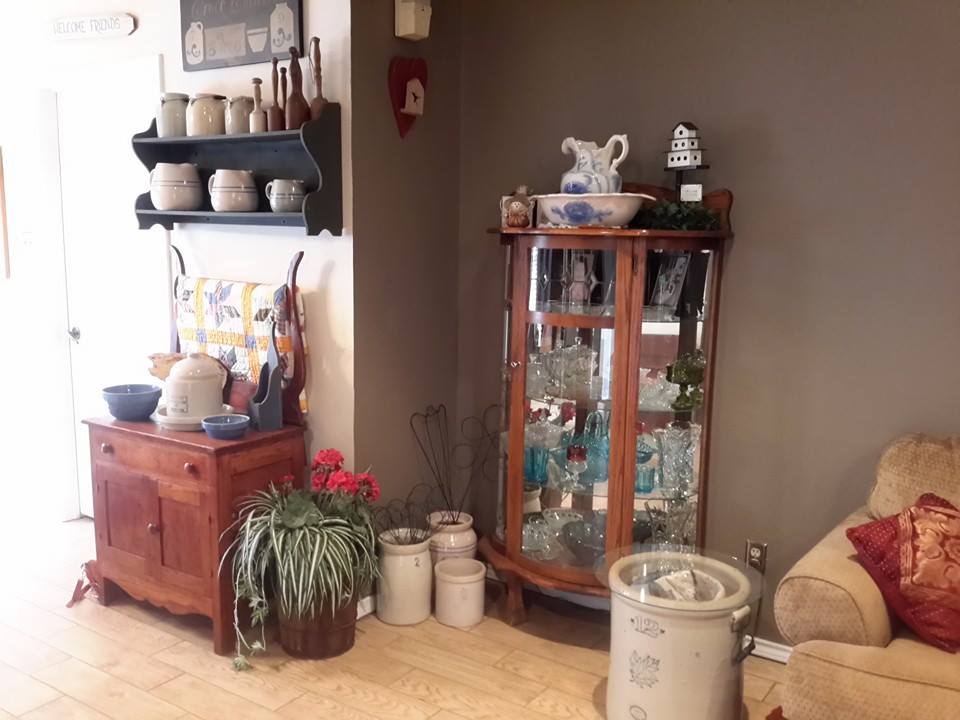
    My Collection of Preserve Jars and wooden mashers along with my blue bowls and Marshall pottery pitchers.

    A Good Month to Gather

    Early June is a season of gathering in every sense. The garden starts filling bowls on the counter, the pantry begins to grow one jar at a time, and summer markets offer their own kind of harvest. If you garden, preserve food either by canning, freezing or dehydrating, or just have a love of old things with a story, this is one of the best times of the year to enjoy all three.

    If you are enjoying some of your own June harvest, take it one basket at a time. Preserve what you can, enjoy what is fresh, and keep an eye out for the old kitchen treasures that make the work feel even more special.

    Keep Reading

    Disclosure: This site may include affiliate links. As an affiliate, I may earn from qualifying purchases at no extra cost to you.

  • Canning in a Small Space: A Beginner-Friendly Setup That Works

    This post may contain affiliate links. We may earn a commission if you purchase via our links.

    You Do Not Need a Huge Kitchen

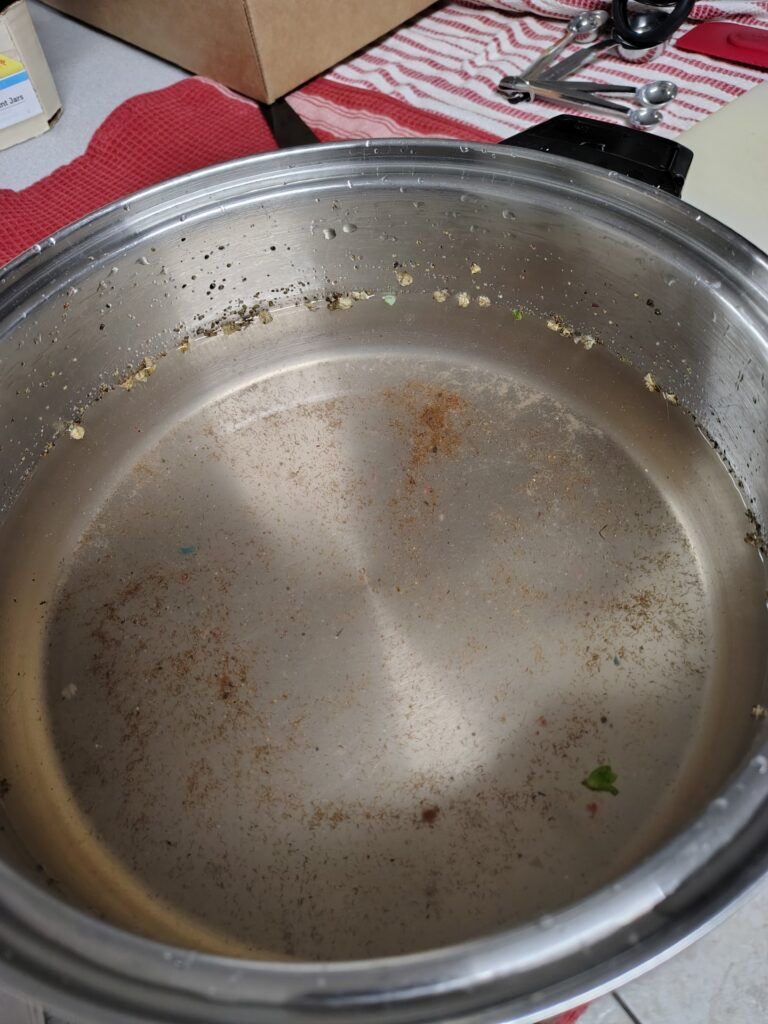
    If you have ever watched canning videos and thought, I could never do that in my kitchen, you are not alone. Many beginners feel discouraged when they see large counters, oversized workspaces, and roomy kitchens designed for filming. The truth is that you do not need a giant kitchen to can safely and successfully. A small kitchen can work just fine when you keep your setup simple, stay organized, and work one step at a time. This is a picture of my small kitchen. We are renting an apartment while building a house and while it may not be the perfect setup for canning, with a little planning, and an extra heavy duty folding table that holds up to 500 lbs. (those jars and water are heavy) I am making it work.

    You do not need a perfect kitchen to start canning. You just need a safe process, a little planning,
    and the confidence to begin.

    Start With a Simple Plan

    For beginners, the biggest help is having a plan before you begin. Clear your counters as much as possible and gather only the tools you need for the recipe you are making. In a small space, every inch matters. Set out your jars, lids, utensils, towels, and ingredients in the order you will use them. This keeps you from feeling crowded and helps the whole process go more smoothly.

    • Wash and prepare jars ahead of time
    • Measure ingredients before heating your recipe
    • Keep your canner area clear and safe
    • Use one section of counter for filling jars (close to the stove helps keep down drips)
    • Set finished jars in a protected area to cool

    Use a Portable Table if Needed

    One of the easiest ways to make canning work in a small kitchen is to use a separate portable table. If you need to keep jars hot before filling them, a roaster full of hot water can be placed on that extra table instead of taking up precious kitchen space. This can be a real help for beginners who are trying to manage a small stove and limited counter area.

    Keeping the roaster on a sturdy portable table nearby gives you more room to work in the kitchen itself. It also lets you create a better flow: one area for hot jars, one area for filling, and one area for processing. That kind of simple setup can make canning feel much less overwhelming.

    Think in Stations

    Instead of trying to do everything in one crowded spot, think of your canning setup in stations. Even in a small home, you can create a workable system by spreading tasks out a little. Your stove is for cooking and processing. Your counter is for filling jars. Your portable table can hold the roaster with hot jars or extra supplies. This approach helps beginners stay calm and focused.

    • Station 1: Stove for cooking food and processing jars
    • Station 2: Counter for filling jars and wiping rims
    • Station 3: Portable table for hot jars, tools, or ingredients
    • Station 4: Cooling area where jars can sit undisturbed

    Beginner Tips for Small-Space Canning

    If you are just getting started, do not try to do too much at once. That will just overwhelm you. Choose a simple recipe, work in small batches, and give yourself plenty of time. Small-space canning does not have to look impressive to be successful. What matters most is following safe canning methods and creating a setup that works in your home.

    • Start with one tested recipe
    • Work with a manageable number of jars
    • Keep children and pets away from the work area
    • Wear shoes and use caution around hot water
    • Do not compare your kitchen to what you see online

    Small Spaces Can Still Work Well

    Canning in a small space may take a little creativity, but it can absolutely be done. You do not need a dream kitchen or a long row of counters to preserve food at home. If a roaster full of water for hot jars needs to sit on a separate portable table, that is perfectly fine. The goal is to create a safe, comfortable system that fits your space and helps you learn with confidence.

    If you are a beginner, take heart. Many home canners start with limited space and simple tools. What matters is not how big your kitchen is. What matters is that you are willing to learn, stay safe, and begin. If storage is an issue, think outside of the box. Do you have room under your bed for a container with canned goods in it? Or perhaps in your closet where you can put a low bookcase and load it with jars? You may have an older antique cabinet or buffet that will hold jars full of your favorites.

    Keep Learning

  • A Safe Strawberry Jam Recipe for Beginners

    This post may contain affiliate links. We may earn a commission if you purchase via our links.

    Sweet Summer in a Jar

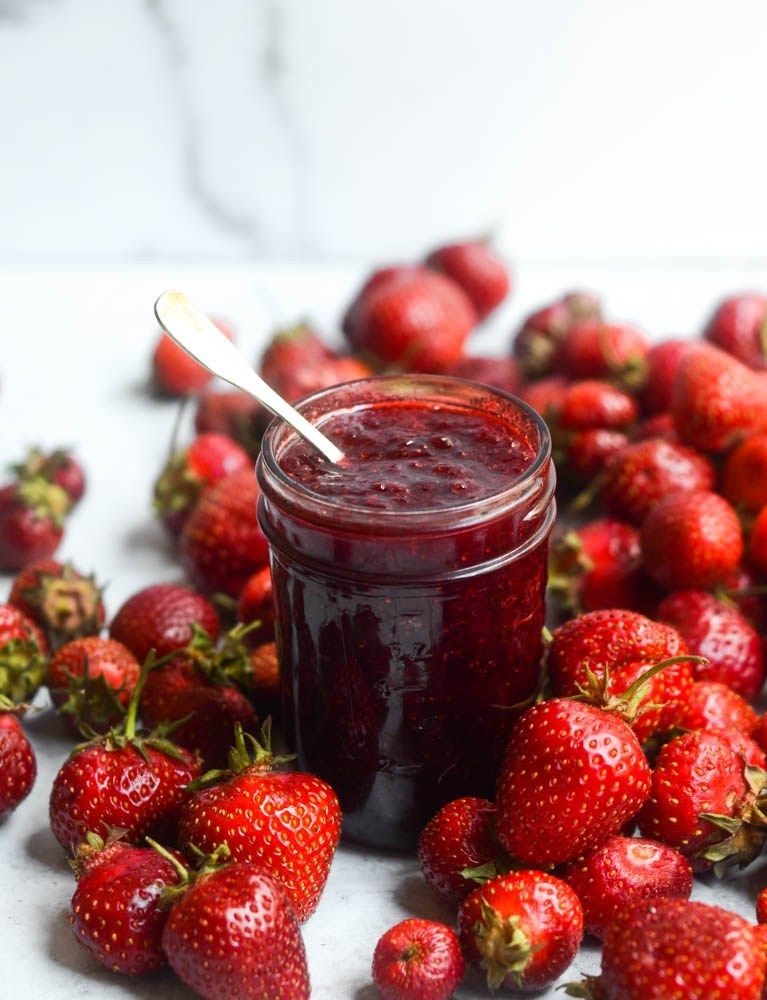
    There is something so satisfying about turning fresh strawberries into bright, beautiful jam. If you are new to canning, strawberry jam is a lovely place to begin. This post shares a warm, simple overview along with a trusted water-bath method based on standard home canning practices. For safety, always use clean jars, follow tested measurements carefully, and process the jars for the full recommended time.

    What You Will Need:

    • 2 quarts fresh strawberries
    • 4 cups granulated sugar
    • 1/4 cup bottled lemon juice
    • 1 package powdered fruit pectin
    • 4 half-pint canning jars with lids and bands. The link will take you to the cutest little decorative jars. These are what I use on any jams or pickle that I intend to gift. I am not a proponent of using vintage antique jars for canning. I love them and use them in my storage and decorations, but I use jars that I know are in excellent shape with no issues whatsoever. 
    • A boiling-water canner or deep stockpot with rack
    • Jar lifter, ladle, and clean damp cloth.

      I am not a proponent of using vintage antique jars for canning. I love them and use them in my storage and decorations, but I use jars that I know have no issues.

    • Step-by-Step Strawberry Jam
    1. Prepare the jars. Wash jars, lids, and bands. Keep the jars hot until ready to fill. Prepare your boiling-water canner and bring the water to a gentle simmer.
    2. Wash and crush the berries. Rinse the strawberries well, remove the stems, and crush them one layer at a time. Measure the exact amount needed for the recipe.
    3. Combine ingredients. In a large pot, stir together the crushed strawberries, bottled lemon juice, and powdered pectin.
    4. Bring to a full boil. Heat the mixture over medium-high heat, stirring often, until it reaches a full rolling boil that cannot be stirred down.
    5. Add the sugar. Stir in all the sugar at once. Return the mixture to a full rolling boil and boil hard for 1 minute, stirring constantly.
    6. Fill the jars. Remove the pot from the heat. Ladle hot jam into hot jars, leaving 1/4 inch headspace. Wipe the rims, apply lids, and screw on bands until fingertip tight.
    7. Process in a water bath. Place jars in the canner, making sure they are covered by at least 1 inch of water. Bring to a full boil and process for 10 minutes, adjusting for altitude if needed.
    8. Cool and check seals. Remove jars and let them cool undisturbed for 12 to 24 hours. Check that each lid has sealed before storing.

    Helpful Safety Notes

    For the safest results, rely on tested canning recipes from trusted sources such as the National Center for Home Food Preservation, Ball, or your local extension service. Do not reduce the sugar, change the jar size, or skip the processing time unless you are using a tested variation. You definitely want to wash the berries in a mixture of water, a splash of white vinegar and a pinch of salt. This was left from 7 lbs. of fresh berries.

    A Few Serving Ideas

    • Spread on warm biscuits or toast
    • Spoon over plain yogurt
    • Use as a filling for thumbprint cookies
    • Tuck a jar into a gift basket for a friend

    Homemade jam is one of those simple pleasures that connects the garden, the kitchen, and the memories we make along the way. A row of ruby-red jars on the shelf is always a cheerful sight.

  • Why I Started Collecting and Canning: A Life of Gardening, Preserving, and Treasuring the Past

    This post may contain affiliate links. We may earn a commission if you purchase via our links.

    Rooted in Home

    Some of the things we love most in life are passed down quietly, through seasons, routines, and the work of our hands. For me, gardening and canning have been part of life for as long as I can remember. Long before they were trendy, they were simply the way we lived. Planting a garden, watching it grow, and preserving the harvest brought a sense of purpose, comfort, and satisfaction that has stayed with me through the years.

    At the same time, I have always been drawn to old things. Antiques carry history in a way that few modern items can. A worn table, a blue Ball jar, a chipped crock, or a weathered kitchen tool can tell a story without saying a word. For the past 30 years, I have had antique booths, and that experience has taught me to appreciate not only the beauty of old objects, but also the lives they once served.

    Why These Passions Belong Together

    To me, collecting and canning have always felt connected. Both are about preservation. One preserves food, flavor, and the fruits of a season. The other preserves craftsmanship, memories, and pieces of everyday life that might otherwise be forgotten. Both invite us to slow down, pay attention, and value what lasts.

    There is something special about lining up jars of homemade jam or green beans on a shelf and feeling the same kind of joy as finding a beautiful vintage piece with character and history. In both cases, there is care involved. There is patience. And there is a deep respect for the past.

    What This Blog Will Share

    With Collectingandcanning.com, I wanted to create a place where I can share both sides of that life. Here you will find stories from years of gardening and canning, along with practical food preservation ideas for beginners and longtime home preservers alike. I will also share antique finds, vintage kitchen treasures, booth stories, and thoughts on why old things still matter.

    • Canning tips and seasonal preservation ideas
    • Simple recipes and kitchen inspiration
    • Stories from 30 years of antique booths
    • Vintage tools, jars, and kitchen collectibles
    • Reflections on tradition, home, and preserving the past

    A Simple Welcome

    If you love gardens, pantry shelves, old jars, weathered furniture, flea market treasures, and the beauty of useful things with a story, you are in the right place. My hope is that this blog feels welcoming, practical, and full of heart. Whether you are here to learn more about canning, enjoy antique stories, or simply appreciate a slower and more meaningful way of living, I am glad you stopped by.

    Thank you for being here at the beginning. I look forward to sharing what I have learned over a lifetime of gardening, preserving, and treasuring the past.

  • Starting a Vintage Pantry: How Antiques and Home Canning Belong Together

    This post may contain affiliate links. We may earn a commission if you purchase via our links.

    Welcome to Collectingandcanning.com

    Collectingandcanning.com is a place for readers who appreciate the beauty of old things and the practical wisdom of preserving food at home. Here, antiques and canning are not separate hobbies but connected traditions that celebrate craftsmanship, resourcefulness, and everyday history.

    Whether you enjoy hunting for vintage kitchen tools, learning the stories behind heirloom pieces, or filling pantry shelves with homemade jams and pickles, this site is designed to offer useful guidance and inspiration. Our goal is to help you preserve both the past and the harvest with confidence.

    Why These Interests Fit

    Antiques and food preservation share a common spirit. Both invite us to slow down, pay attention to quality, and value the work that goes into making something last. A stoneware crock, a sturdy enamel pot, or a handwritten recipe card can tell us just as much about home life as a shelf of carefully canned produce.

    • Antiques connect us to the tools and traditions of earlier generations.
    • Home canning keeps seasonal food useful, flavorful, and ready for the months ahead.
    • Together, they create a lifestyle rooted in care, memory, and practical skill.

    What You Will Find Here

    This blog will feature educational articles for curious collectors, home preservers, and anyone drawn to vintage living. Posts will explore antique finds, collecting tips, pantry traditions, and approachable preservation methods for modern readers.

    • Stories and insights about antique kitchenware and collectible household pieces
    • Practical canning and food preservation tips for beginners and experienced home preservers
    • Seasonal ideas for stocking a useful, beautiful pantry
    • Encouragement for building traditions that blend history with everyday life

    Preserving the past is not only about what we display on a shelf. It is also about what we practice, remember, and pass along.

    A Thoughtful Start

    If you are new here, consider this your invitation to explore both sides of the site. You may come for antique inspiration and stay for canning advice, or arrive looking for preservation tips and discover a love for vintage tools and household history along the way.

    We are glad you are here, and we look forward to sharing practical knowledge, meaningful stories, and timeless ideas that help you preserve the past, one jar and treasure at a time.